Mount Kenya Trekking and Nature Experience
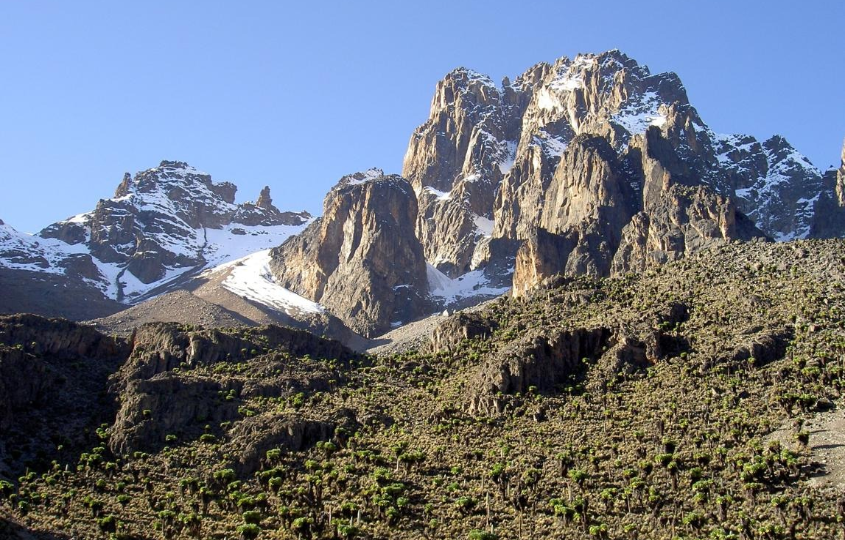
Rising above the central highlands, Mount Kenya is Africa's second-highest mountain and one of Kenya's most remarkable natural landmarks. Its rugged peaks, alpine valleys, glaciers, mountain forests and beautiful lakes make it a special destination for hikers, nature lovers and adventure travellers.
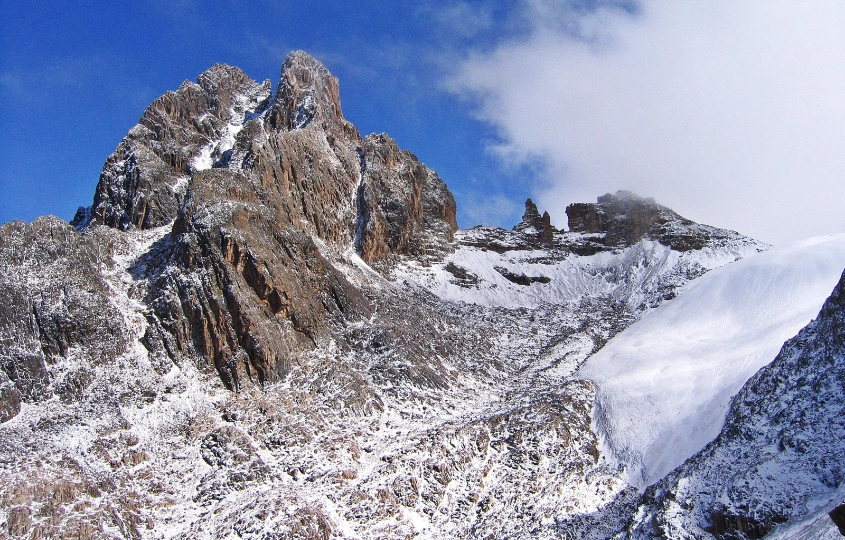
The mountain's highest peaks are Batian (5,199 metres) and Nelion (5,188 metres). Point Lenana, at 4,985 metres, is the most commonly reached trekking summit for hikers who want to experience the mountain without technical climbing.
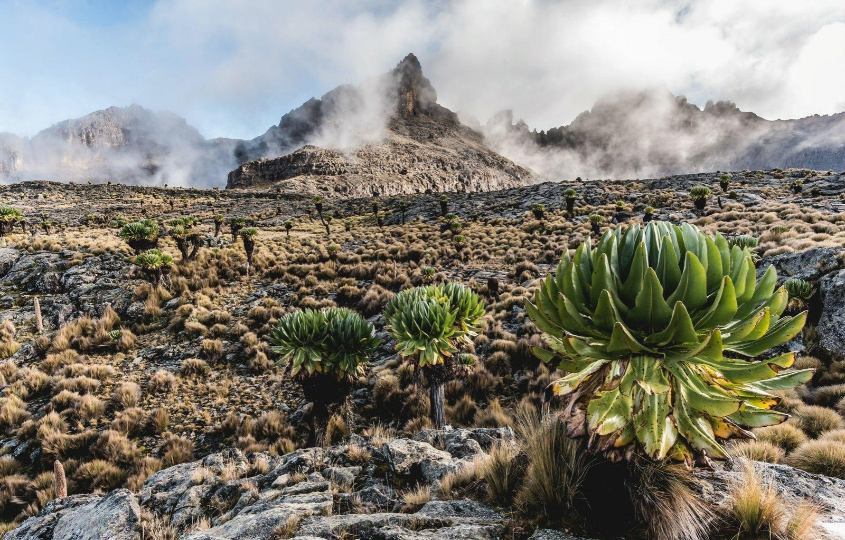
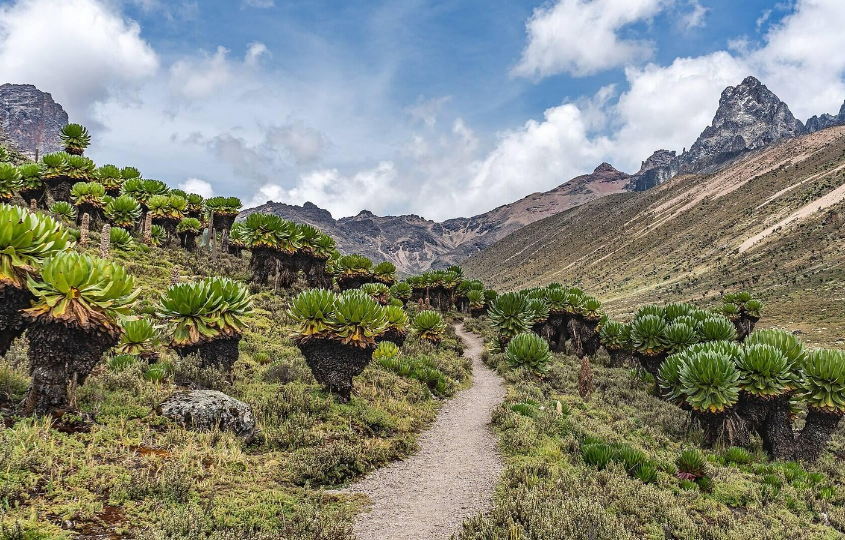
Mount Kenya is also a UNESCO World Heritage Site, recognised for its outstanding natural environment and ecological importance. As you climb through different altitude zones, the scenery changes from forest and bamboo to moorland, rocky slopes and alpine vegetation.
Whether you are planning a challenging multi-day trek or a shorter nature experience around the mountain, Mount Kenya offers an adventure worth discovering.
Things to do on Mount Kenya
1. Trek to Point Lenana
For many visitors, reaching Point Lenana is the highlight of a Mount Kenya adventure. The trek takes you through different vegetation zones before reaching the high-altitude summit, where clear weather can reward you with breathtaking views.
Most trekking itineraries take several days to allow for gradual acclimatisation. The climb is physically demanding, so a suitable fitness level, experienced guides and proper preparation are important.
2. Explore the mountain routes
Mount Kenya has several established trekking routes, each with its own character.
-
Sirimon Route: Often favoured for its more gradual ascent and scenic approach.
-
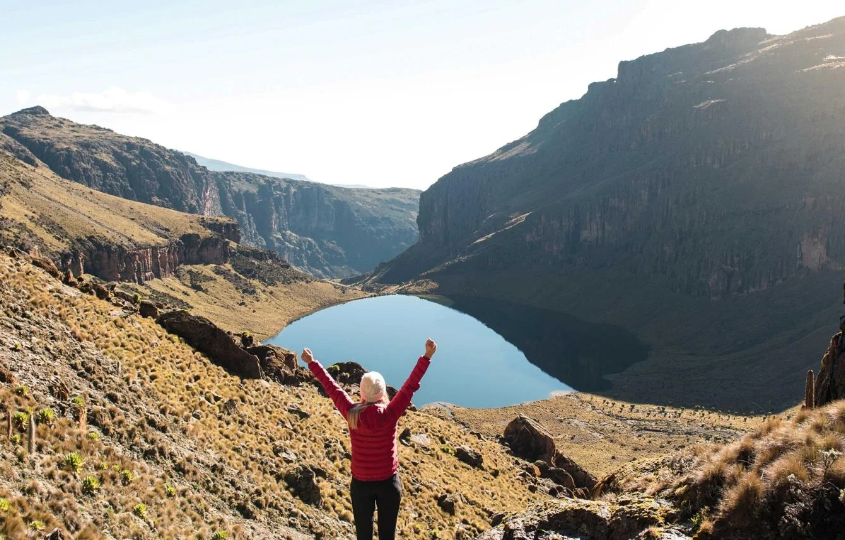
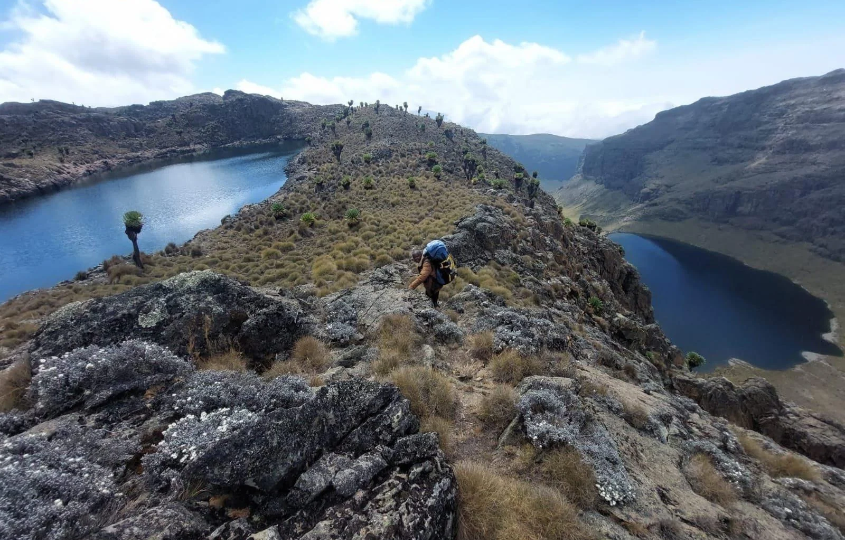
Chogoria Route: Famous for dramatic valleys, mountain lakes and beautiful scenery.
-
Naro Moru Route: A direct and well-known approach, with sections that can be steep and challenging.
Your route should be selected according to your fitness, available time, experience and acclimatisation needs.
3. Discover the mountain's lakes and valleys
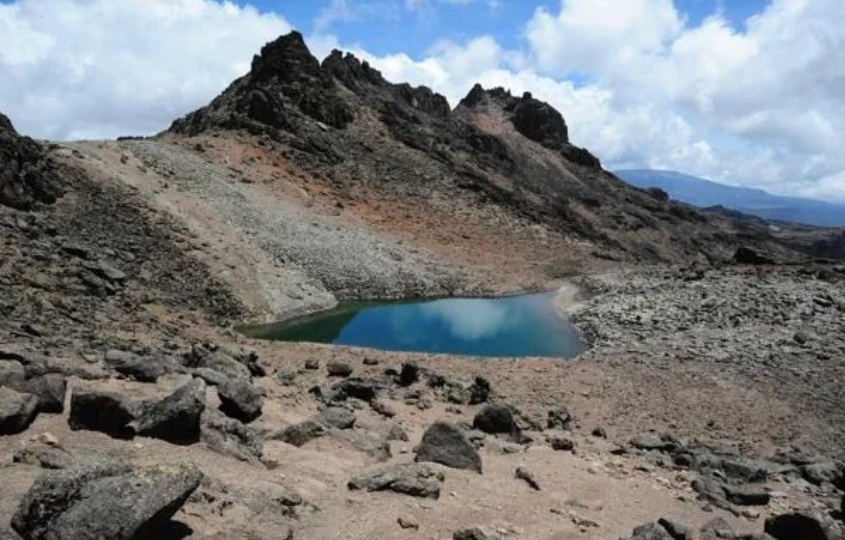
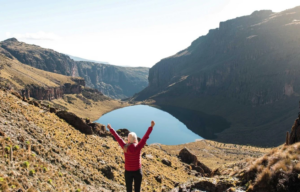
The mountain is dotted with beautiful lakes and valleys that make the trekking experience even more rewarding. Lake Michaelson, Lake Ellis and the Gorges Valley are among the scenic features visitors may encounter on selected routes.
These landscapes are especially attractive to photographers and travellers who appreciate mountain scenery.
4. Enjoy nature walks and birdwatching
You do not have to attempt a summit climb to appreciate Mount Kenya. Lower-altitude areas offer opportunities to explore mountain forests, observe birdlife and enjoy the fresh highland environment.
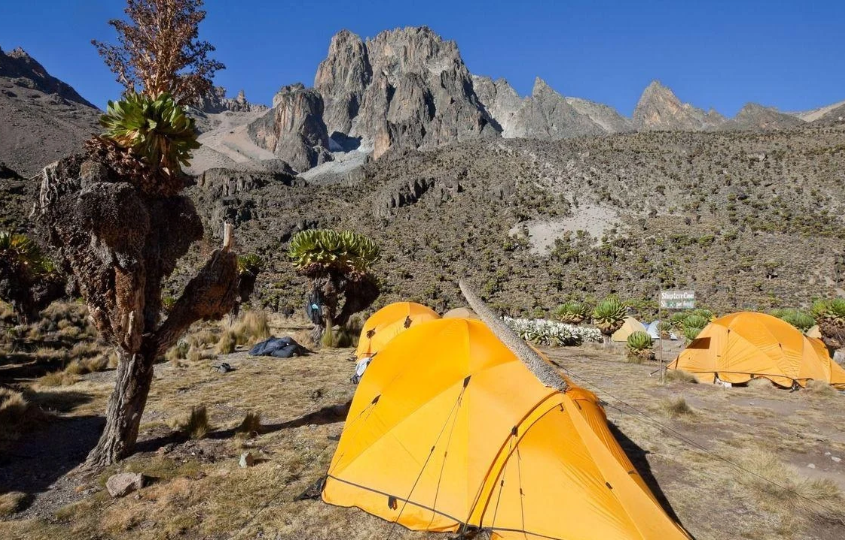
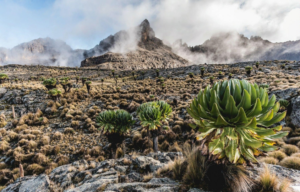
Look out for the mountain's unique vegetation, including giant groundsels and lobelias, as you explore suitable walking trails.
5. Experience camping in the mountains
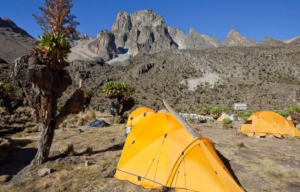
Camping is part of many multi-day Mount Kenya trekking itineraries. Spending a night in the mountain environment gives you a chance to enjoy the quiet surroundings, changing skies and incredible views.
Camping arrangements depend on the selected route and itinerary, and should be organised with an experienced mountain guide.
What makes Mount Kenya special?
Mount Kenya is not simply a mountain to climb; it is an experience shaped by changing landscapes, high-altitude ecosystems and cultural significance.
The mountain is also deeply respected by surrounding communities. Traditionally, the Agikuyu, Aembu and Ameru communities regarded it as a sacred place associated with Ngai. This cultural connection adds another layer to the experience beyond the physical adventure.
For visitors, the real magic is in the journey: walking through forest trails, seeing unusual alpine plants, camping beneath mountain skies and, for those who make it to Point Lenana, watching the sunrise from high above the surrounding landscape.
Best time to visit Mount Kenya
Mount Kenya can be explored throughout the year, but weather conditions are important, particularly for summit treks.
-
January to March: Generally a favourable period for climbing, with relatively drier conditions.
-
July to October: Another popular trekking period, often offering better visibility and more suitable climbing conditions.
-
April to June: The long-rains period can bring wet trails, poor visibility and more challenging conditions.
-
November to December: Short rains may affect trail conditions, although experiences vary from year to year.
For summit trekking, the drier seasons are generally preferred. Always check current mountain conditions before departure.
Getting to Mount Kenya
Mount Kenya is accessible by road and air.
-
From Nairobi by road: The Sirimon Gate is approximately 200 km away, while Naro Moru Gate is about 188 km away. Chogoria Gate is approximately 210 km from Nairobi.
-
From Nanyuki: Sirimon Gate is accessed via the Nanyuki–Meru road.
-
From Naro Moru: The Naro Moru route provides access from the Nyeri–Nanyuki side.
-
By air: Nanyuki has the closest commercial airstrip, with onward road transfers to the mountain.
The best entry point depends on your chosen trekking route and itinerary.
Accommodation on Mount Kenya
Accommodation ranges from mountain huts and campsites to comfortable lodges around the mountain's foothills.
Some options include:
-
Sirimon Bandas: Accommodation within the park.
-
Old Moses Camp: A popular stop along the Sirimon trekking route.
-
Shipton's Camp: A high-altitude camp used by trekkers approaching Point Lenana.
-
Castle Forest Lodge: A forest retreat on the southern side of the mountain.
-
Fairmont Mount Kenya Safari Club: A luxury accommodation option near Nanyuki.
Accommodation arrangements depend on the route and trekking package. Confirm availability and facilities before travelling.
Combine Mount Kenya with other destinations
Make your central Kenya adventure even more rewarding by combining Mount Kenya with:
-
Ol Pejeta Conservancy: Enjoy a wildlife safari and learn about rhino conservation.
-
Samburu National Reserve: Discover northern Kenya's unique wildlife and beautiful semi-arid landscapes.
-
Solio Ranch: Add a wildlife experience in a renowned rhino conservation area.
-
Lake Naivasha: Enjoy a relaxing lakeside experience after your mountain adventure.
Plan your Mount Kenya adventure with Unlimited Safaris Collections
Whether you are looking forward to reaching Point Lenana, exploring the mountain's scenic trails or enjoying a peaceful stay in the highlands, Mount Kenya offers an experience worth planning.
Unlimited Safaris Collections can help you organise a mountain adventure with suitable accommodation, transport and experienced mountain support.
Contact us to start planning your Mount Kenya experience.