Lake Manyara National Park
Lake Manyara National Park is a scenic wildlife destination in northern Tanzania, nestled beneath the dramatic Great Rift Valley escarpment.
The park is known for its diverse landscapes, including groundwater forests, open grasslands, acacia woodlands, wetlands and the alkaline Lake Manyara itself. Despite its relatively compact size, it offers an impressive variety of wildlife and natural scenery.
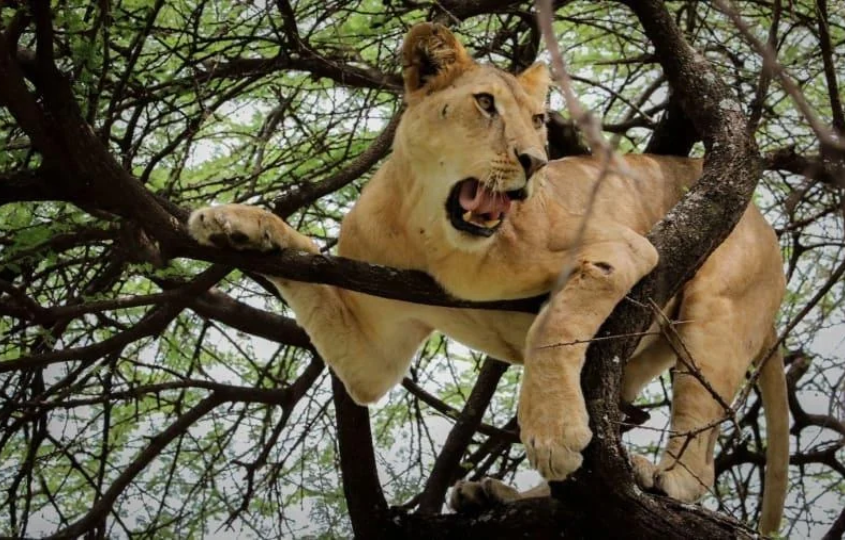
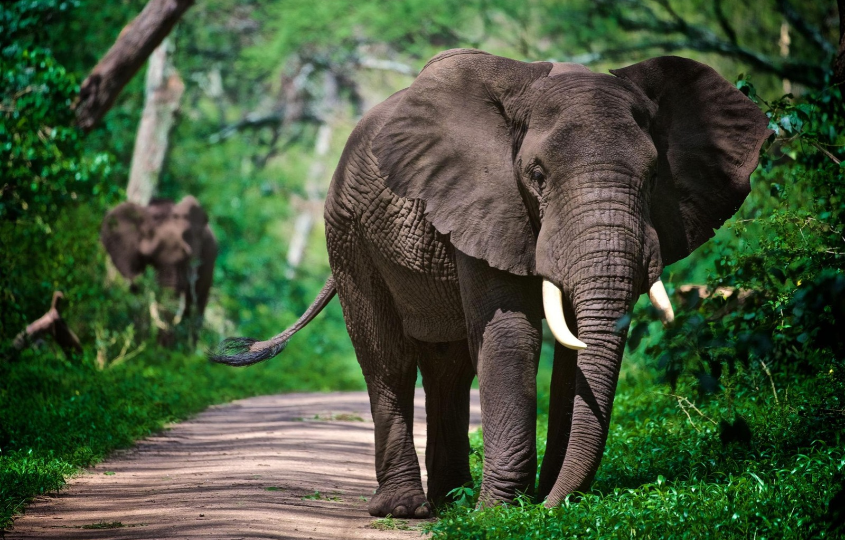
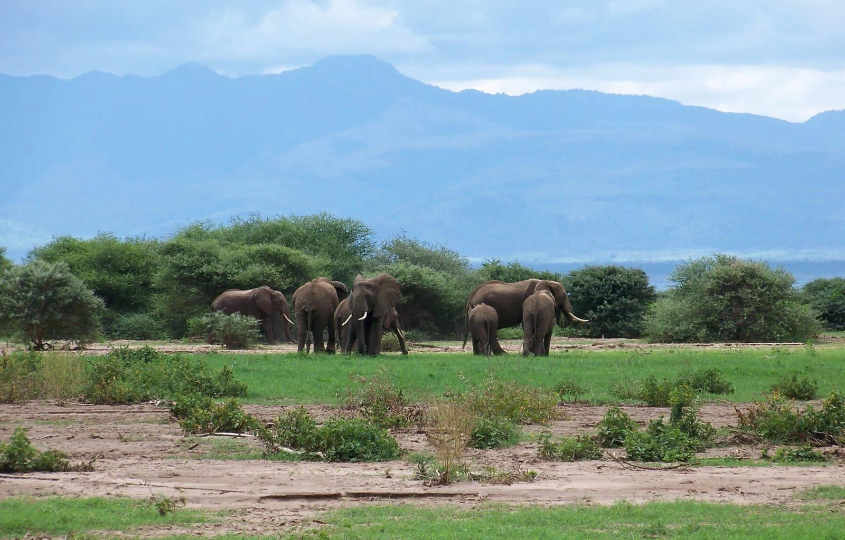
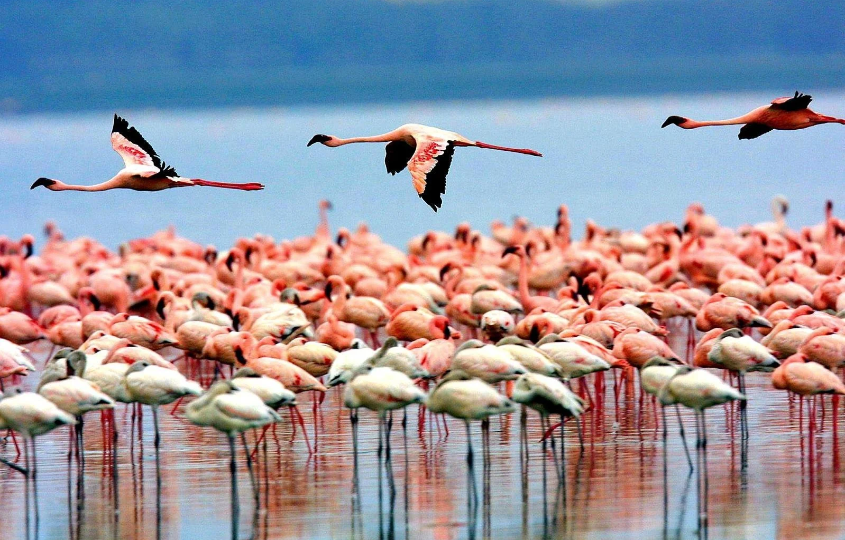
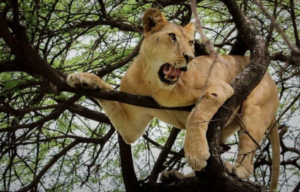
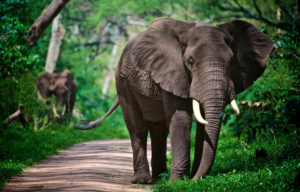
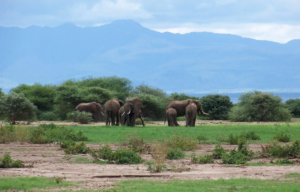
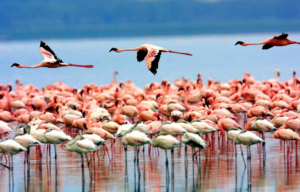
Lake Manyara is especially famous for its tree-climbing lions, large elephant herds, baboons, flamingos and rich birdlife. Visitors can explore the park on game drives, walk along its elevated canopy walkway and enjoy views of the lake and surrounding escarpment.
It is a wonderful addition to a northern Tanzania safari, particularly for travellers combining wildlife viewing with the Ngorongoro Conservation Area, Serengeti National Park and Tarangire National Park.
Activities and experiences
1. Game drives
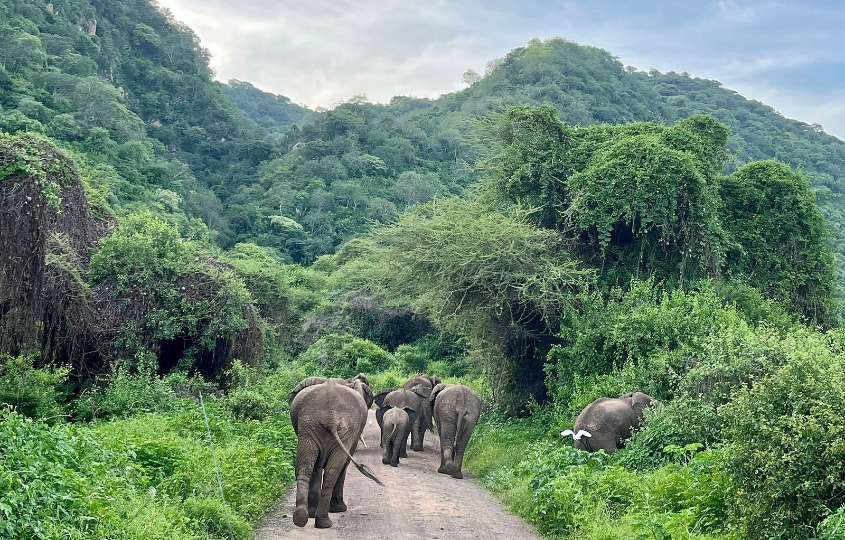
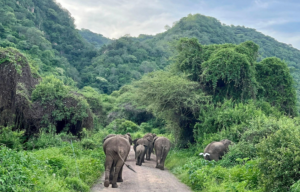
Explore the park's network of safari roads through forests, grasslands and wetlands. Look out for elephants, giraffes, buffaloes, zebras, wildebeest and other wildlife. Lions and leopards may also be encountered, although sightings are never guaranteed.
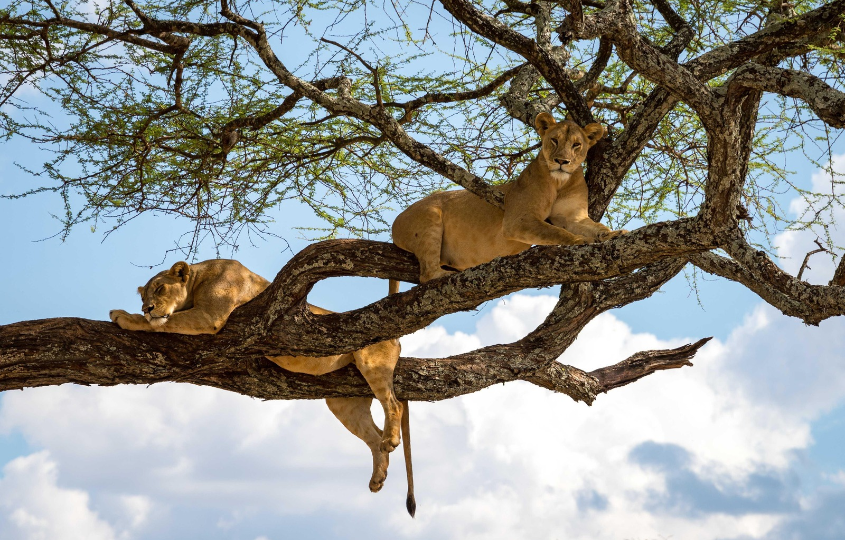
2. Look for tree-climbing lions
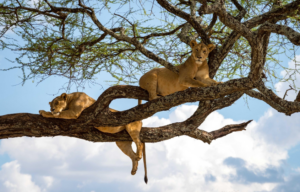
Lake Manyara is famous for lions that sometimes rest in tree branches. Keep your eyes on the acacia trees during game drives, especially around suitable woodland habitats. Seeing them in trees is a special experience, but it is not guaranteed.
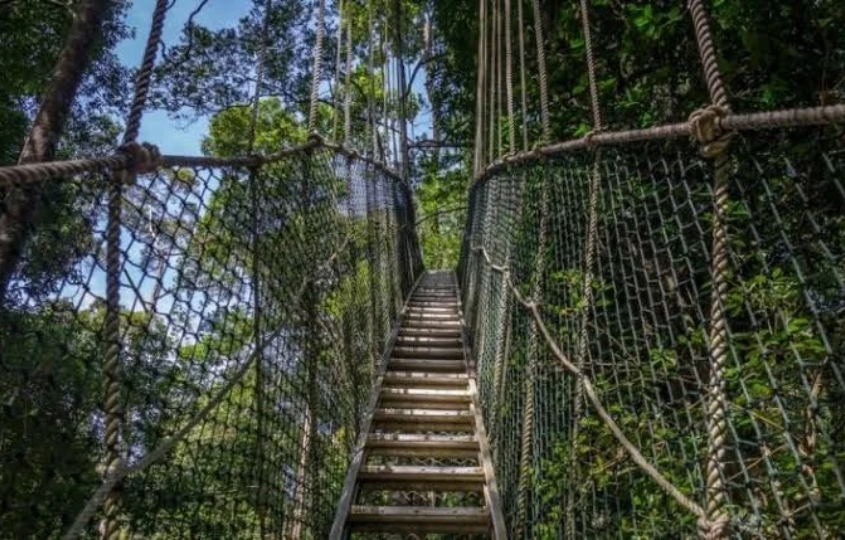
3. Walk the canopy walkway
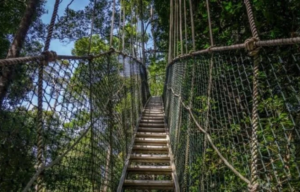
Experience the forest from an elevated walkway with viewing platforms. It offers a different perspective of the trees and an opportunity to observe birds, butterflies and monkeys. Confirm current access and operating arrangements before visiting.
4. Birdwatching
Explore the lake, wetlands and forest habitats in search of flamingos, pelicans, storks, herons, fish eagles and other resident or migratory birds. Bird numbers vary with water levels and season.
5. Observe hippos and wetland wildlife
Visit designated viewing areas to watch hippos and other animals around the water. Follow your guide's instructions and keep a safe distance, especially around hippo pools.
6. Explore the hot springs
Discover the park's geothermal landscape in the southern area. The hot springs and surrounding wetlands offer interesting scenery and a glimpse into the Rift Valley's volcanic activity. Access depends on park routes and conditions.
7. Enjoy scenic photography
Capture the dramatic escarpment, lake landscapes, forest vegetation and wildlife. Early morning and late afternoon can provide beautiful light, depending on weather and visibility.
What makes Lake Manyara National Park special?
Lake Manyara stands out for the variety of landscapes and wildlife found within a relatively small area.
The groundwater forest creates a cool, green environment near the park entrance, while the lake and surrounding wetlands provide a completely different habitat for waterbirds and other wildlife. Beyond the forest, open plains and acacia woodlands create opportunities for game viewing.
The park is also part of the Lake Manyara Biosphere Reserve, recognised by UNESCO in 1981. The wider biosphere includes a variety of habitats, from the lake and floodplains to groundwater forests, wetlands and the Rift Valley escarpment.
For visitors, this means a safari that combines wildlife, birdwatching, scenic landscapes and nature experiences rather than focusing only on the big animals.
Best time to visit Lake Manyara National Park
Lake Manyara can be visited throughout the year, although the wildlife-viewing experience changes with rainfall and water levels.
-
June to October: The dry season generally offers favourable conditions for game drives and wildlife viewing.
-
January to February: Another relatively dry period, often suitable for safari activities and photography.
-
March to May: The long rains bring greener landscapes, but some roads and trails may become muddy or difficult to access.
-
November to December: The short rains can refresh the vegetation and create seasonal birdwatching opportunities.
Birdwatching can be rewarding throughout the year, but flamingo numbers and other waterbirds change depending on lake conditions and food availability.
For the best experience, plan your visit around the activities you want to enjoy and confirm road conditions with your safari guide.
How to get to Lake Manyara National Park
By road: Lake Manyara is approximately 125 km from Arusha, with a journey of around 2–2.5 hours under favourable road conditions. The park lies along the northern Tanzania safari circuit, near Mto wa Mbu.
From Ngorongoro: The park can be included before or after a visit to the Ngorongoro Conservation Area, depending on your itinerary and the route selected.
By air: Visitors can arrange scheduled or charter flights to Manyara Airstrip, followed by a transfer to their lodge or the park entrance.
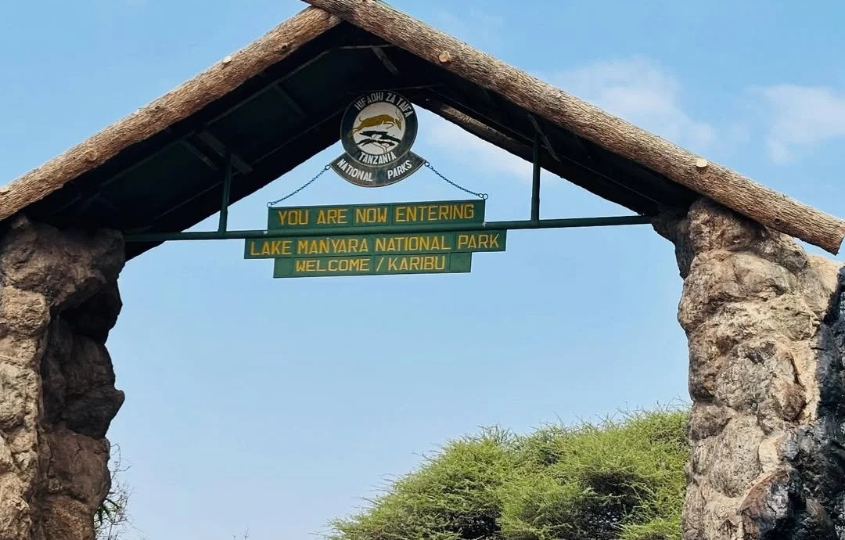
The main gate is located near Mto wa Mbu, and road access makes the park convenient for travellers exploring northern Tanzania.
Where to stay
Visitors can stay inside the park or in nearby towns and safari areas.
-
Lake Manyara Serena Safari Lodge: A lodge overlooking the Rift Valley landscape, suitable for travellers seeking comfortable accommodation and scenic views.
-
Lake Manyara Tree Lodge: A luxury lodge experience in a forest setting, subject to current operating arrangements.
-
TANAPA campsites: Options for travellers interested in camping within designated park areas.
-
Mto wa Mbu: A convenient base near the park entrance, with different accommodation categories.
-
Karatu: A practical overnight stop for visitors combining Lake Manyara with Ngorongoro.
Accommodation availability, park access and activity arrangements should be confirmed when booking.
Destinations to combine with Lake Manyara National Park
Lake Manyara is an excellent stop on a northern Tanzania safari. Consider combining it with:
-
Ngorongoro Crater: Explore the remarkable wildlife and landscapes of the Ngorongoro Conservation Area.
-
Serengeti National Park: Continue to Tanzania's famous plains for wildlife viewing and seasonal migration experiences.
-
Tarangire National Park: Discover baobab landscapes, elephants and diverse wildlife.
-
Arusha National Park: Enjoy forest habitats, Mount Meru scenery and walking experiences.
-
Lake Duluti: Add a peaceful lake excursion and birdwatching experience.
-
Mto wa Mbu: Explore local culture, village life and community-based activities near the park.
These destinations can be arranged into a multi-day itinerary depending on your travel dates, interests and budget.
Plan your Lake Manyara safari with Unlimited Safaris Collections
Discover the beauty of northern Tanzania with a safari that combines wildlife, scenic landscapes and unforgettable nature experiences.
Whether you want to explore Lake Manyara on a day game drive, enjoy its forest canopy walkway or combine it with Ngorongoro and Serengeti, Unlimited Safaris Collections can help you plan a safari that suits your travel style.
Contact our team to plan your Lake Manyara National Park safari.