Ngorongoro Crater
Ngorongoro Crater is one of Tanzania's most remarkable wildlife destinations, located within the Ngorongoro Conservation Area in northern Tanzania.
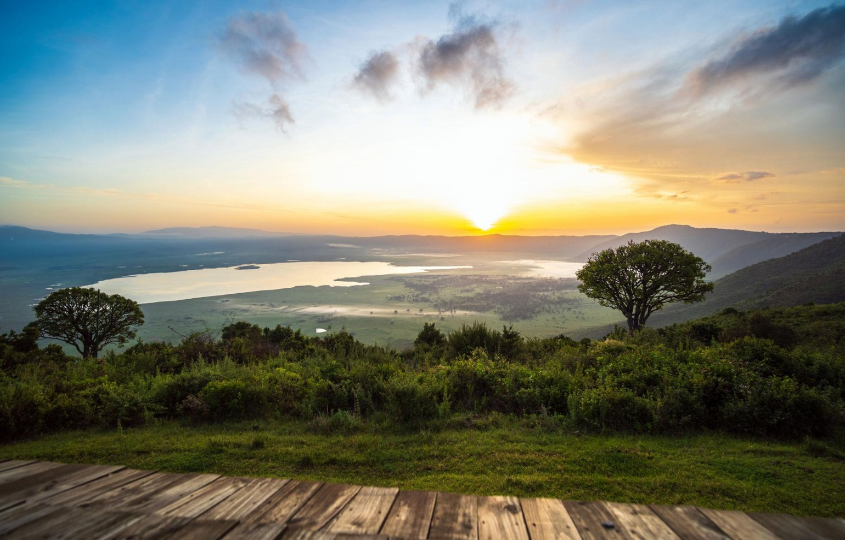
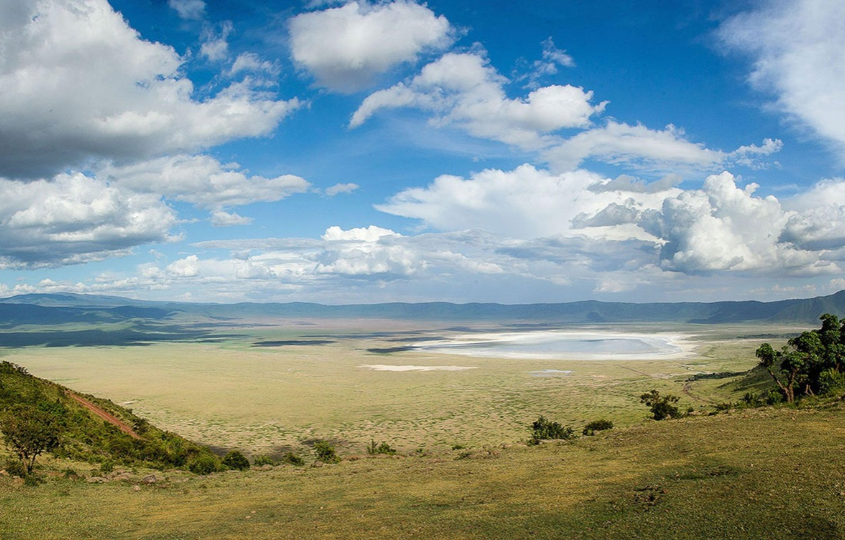
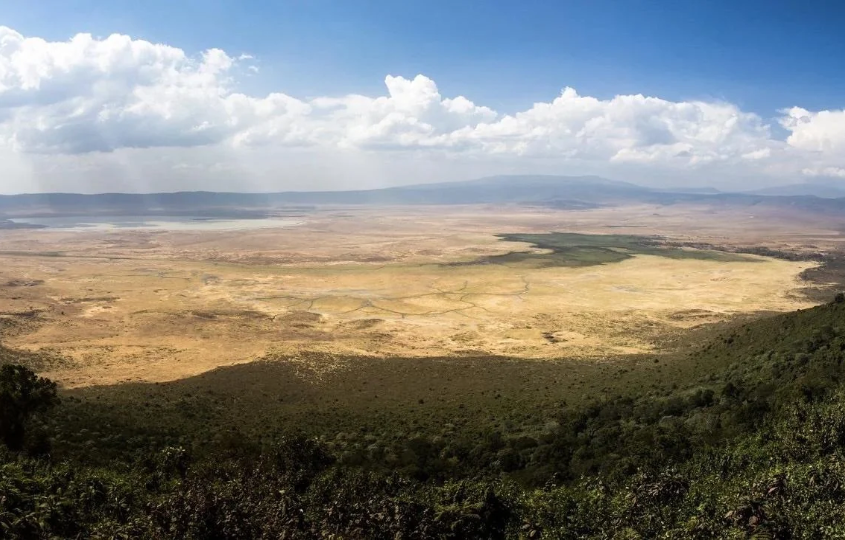
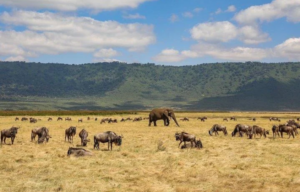
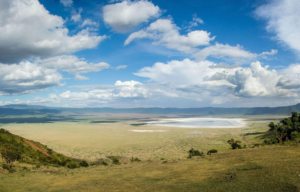
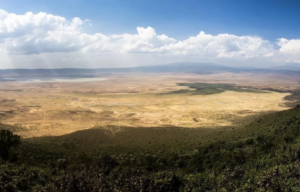
The crater was formed when a massive volcanic mountain collapsed, creating a vast natural caldera surrounded by steep walls. Today, its crater floor features grasslands, woodlands, swamps, rivers and Lake Magadi, supporting a remarkable concentration of wildlife.
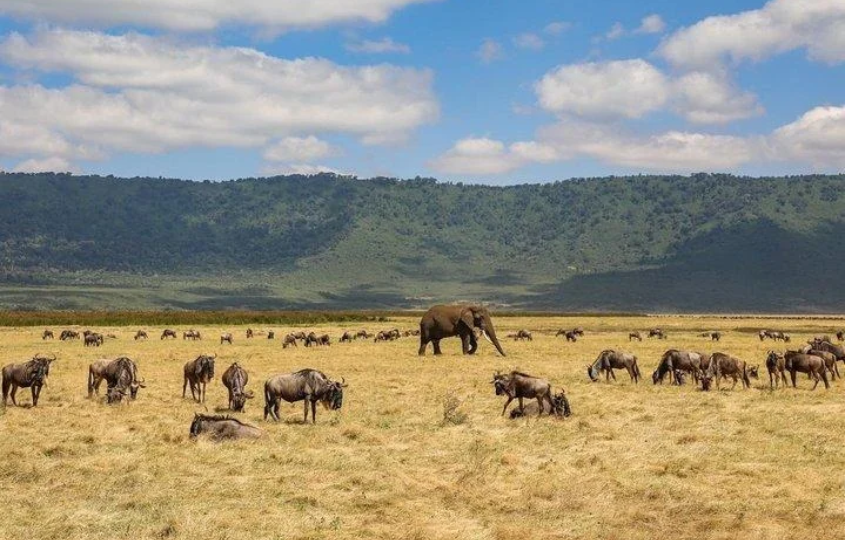
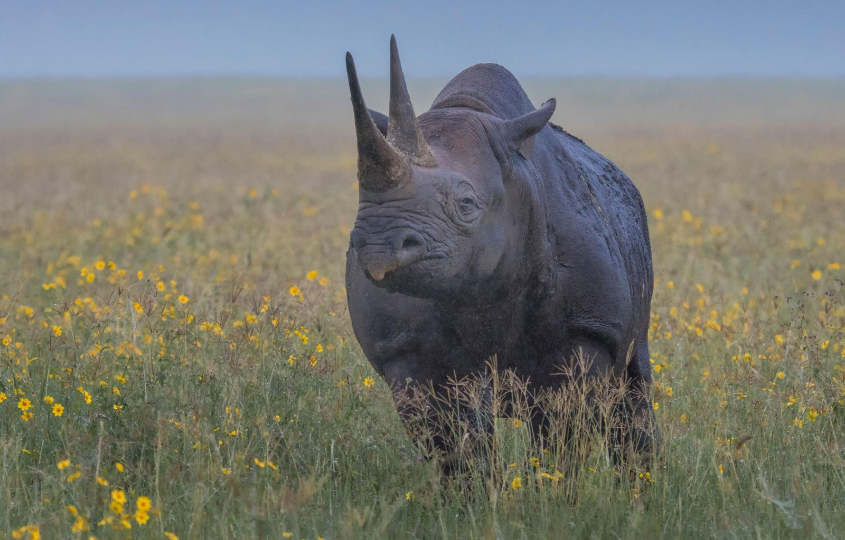
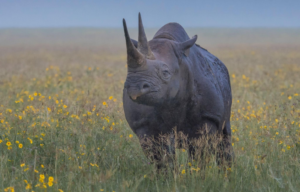
Ngorongoro is famous for its dramatic landscapes and opportunities to encounter elephants, lions, buffaloes, zebras, wildebeest, hippos and other animals. It is also one of the places in Tanzania where visitors have a chance of seeing the endangered black rhinoceros in its natural environment.
The wider Ngorongoro Conservation Area is a UNESCO World Heritage Site, recognised for its wildlife, geological features, cultural heritage and archaeological importance.
Activities and experiences
1. Crater game drive
Descend into the crater for a wildlife safari across grasslands, woodland and wetland habitats. Look for lions, elephants, buffaloes, zebras, wildebeest and other wildlife while enjoying the dramatic scenery.
2. Look for the black rhino
Ngorongoro is one of the destinations where visitors may have an opportunity to see the endangered black rhinoceros. Wildlife sightings depend on the day, conditions and animal movements.
3. Predator and wildlife viewing
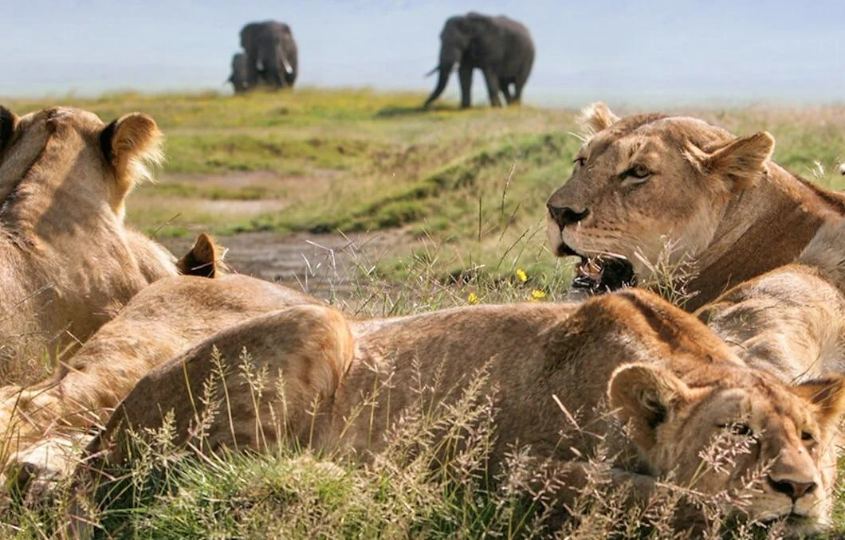
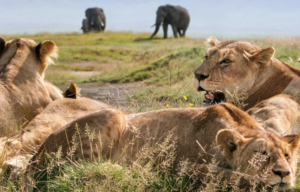
Observe lions, hyenas and other wildlife in their natural environment. The crater's concentration of animals makes it an exciting destination for wildlife photography and game viewing.
4. Visit Lake Magadi
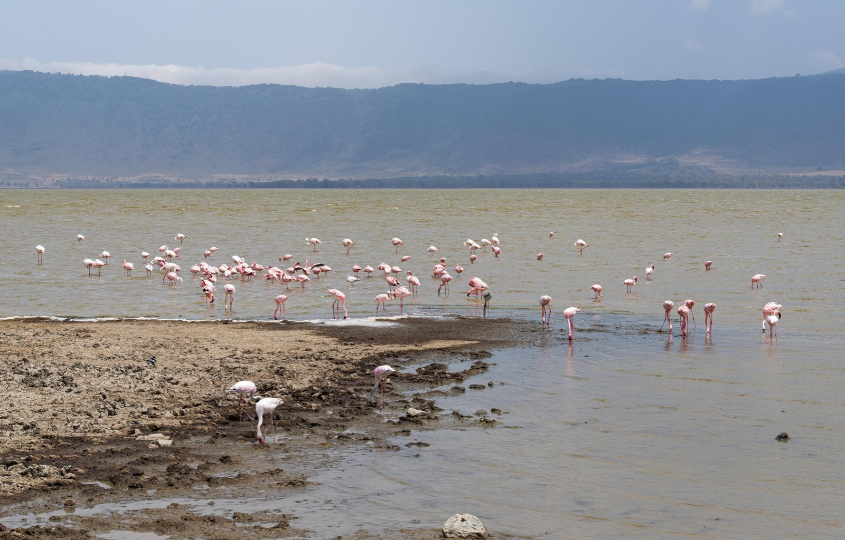
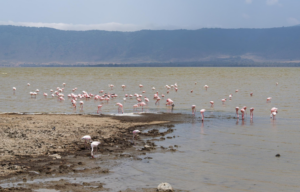
Explore the shallow lake on the crater floor and look for flamingos and other waterbirds. Bird numbers and the lake's appearance vary with seasonal conditions.
5. Explore the crater's woodland
Drive through areas of forest and woodland, including Lerai Forest, where wildlife may be seen among the trees. The scenery offers a contrast to the open crater grasslands.
6. Enjoy crater rim viewpoints
Take in the panoramic views from the crater rim and appreciate the scale of the caldera. The changing light and mist can create beautiful photographic opportunities.
7. Experience Maasai culture
Arrange a visit to an authorised cultural boma to learn about Maasai traditions, pastoral life and cultural heritage. Visits should be respectful and organised with community participation.
What makes Ngorongoro Crater special?
Ngorongoro is more than a wildlife destination. It is a remarkable natural landscape where geology, wildlife and human history come together.
The crater is the world's largest intact, unfilled volcanic caldera. Its steep walls surround a wildlife-rich floor with different habitats, including grasslands, swamps, woodland and a salt lake.
The wider conservation area is also home to Maasai pastoral communities and important archaeological sites. Nearby Olduvai Gorge has contributed significantly to the study of human evolution, making Ngorongoro an important destination for both nature and cultural exploration.
For safari visitors, the crater offers an opportunity to see a wide variety of wildlife in one dramatic setting.
Best time to visit Ngorongoro Crater
Ngorongoro can be visited throughout the year. Wildlife is present year-round, although weather, vegetation and road conditions influence the experience.
-
June to October: The drier season generally offers favourable conditions for game drives and wildlife photography.
-
January to February: A popular period for exploring the northern Tanzania safari circuit, with seasonal wildlife movements in the wider ecosystem.
-
March to May: The long rains bring greener landscapes, but some roads and trails can become muddy.
-
November to December: The short rains may refresh the scenery and bring seasonal changes in birdlife.
The crater can experience cool temperatures, especially early in the morning and along the rim. Bring warm clothing, even when travelling during the drier months.
For visitors interested in the wider wildebeest migration, remember that the migration moves through the Serengeti ecosystem and surrounding plains according to rainfall and grazing conditions. It is not confined to the crater itself.
How to get to Ngorongoro Crater
By road from Arusha: Ngorongoro is approximately 180–190 km from Arusha, depending on the route and destination within the conservation area. The journey generally takes several hours, with road conditions and stops affecting travel time.
From Lake Manyara: The crater can be included in a northern Tanzania safari itinerary after visiting Lake Manyara National Park.
From Serengeti: Visitors can travel between Serengeti National Park and Ngorongoro as part of a multi-day safari, with the route depending on the selected camps and itinerary.
By air: Travellers can fly to nearby airstrips serving the Ngorongoro area and arrange onward transfers with their safari operator.
The crater is accessed through the Ngorongoro Conservation Area. Visitors should arrange the required permits and conservation fees through the appropriate official channels before travelling.
Where to stay
Ngorongoro offers accommodation around the crater rim, within the wider conservation area and in nearby towns.
-
Crater rim lodges: Ideal for visitors who want scenic views and convenient access to crater game drives.
-
Luxury safari lodges: Suitable for travellers looking for premium accommodation, dining and organised safari experiences.
-
Tented camps: A popular option for visitors seeking a closer connection to the surrounding landscape.
-
Karatu lodges and hotels: A practical base for travellers combining Ngorongoro with Lake Manyara.
-
Camping: Designated campsites may be available, subject to park rules and current arrangements.
Accommodation location can make a difference to your safari schedule, especially when planning an early descent into the crater. Confirm the property, access and current availability before booking.
Destinations to combine with Ngorongoro Crater
Ngorongoro is one of the main highlights of Tanzania's northern safari circuit. Consider combining it with:
-
Lake Manyara National Park: Discover forest habitats, elephants, birdlife and scenic Rift Valley landscapes.
-
Serengeti National Park: Explore the famous plains and seasonal wildebeest migration.
-
Tarangire National Park: Experience baobab landscapes and wildlife, including elephants.
-
Olduvai Gorge: Learn about human evolution and the archaeological history of the region.
-
Arusha National Park: Enjoy forest scenery, Mount Meru views and outdoor activities.
-
Lake Duluti: Add a peaceful nature excursion near Arusha.
A multi-day safari can combine these destinations according to your travel dates, interests and budget.
Plan your Ngorongoro Crater safari with Unlimited Safaris Collections
Experience one of Tanzania's most extraordinary natural destinations with a safari that combines wildlife, breathtaking scenery and cultural discovery.
Whether you want to explore the crater floor on a game drive, look for the black rhino or combine Ngorongoro with Serengeti and Lake Manyara, Unlimited Safaris Collections can help you plan your journey.
Contact our team to plan your Ngorongoro Crater safari.